The standard NHS maintenance schedule for a non-dietary cause is a 1mg injection every two to three months for life

Markers of a quality research-grade laboratory: Every batch has a third-party Certificate of Analysis from an accredited analytical lab, with chromatogram and signed report USP sterility and LAL endotoxin testing for any injectable, with documentation ISO certification of the manufacturing process Long-term reputation supplying clinical and research customers Transparent lot tracking, defined expiry, and a documented recall procedure Established business identity with verifiable address, regulatory contact, and quality systems Markers of an internet retail vendor to avoid: Generic research use only labels with no traceable testing data behind them CoAs that cannot be independently verified, are missing, or appear fabricated Anonymous business identity, drop-shipped product, no physical address Prices significantly below market for the same molecule (a strong signal of unverified source) No sterility verification for injectables, no endotoxin data No published quality procedures, no recall pathway The risks the public typically associates with research peptides (contamination, dose variability, unknown excipients, no recourse) apply almost entirely to this second group
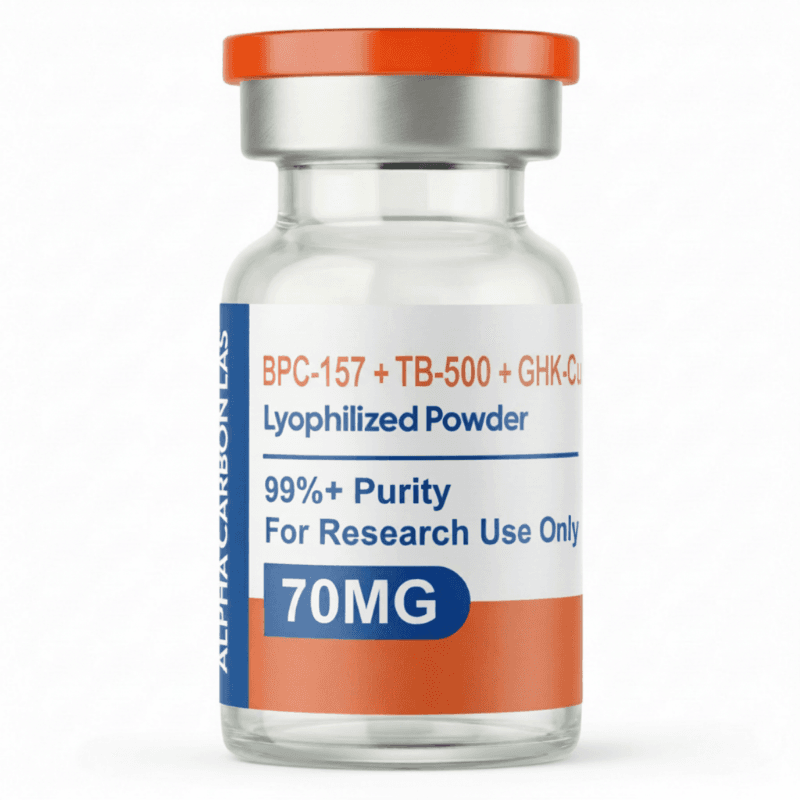
It is not found at full 15-residue length in the human body
Lyophilized peptides remain stable at room temperature for short periods but should be refrigerated for long-term storage
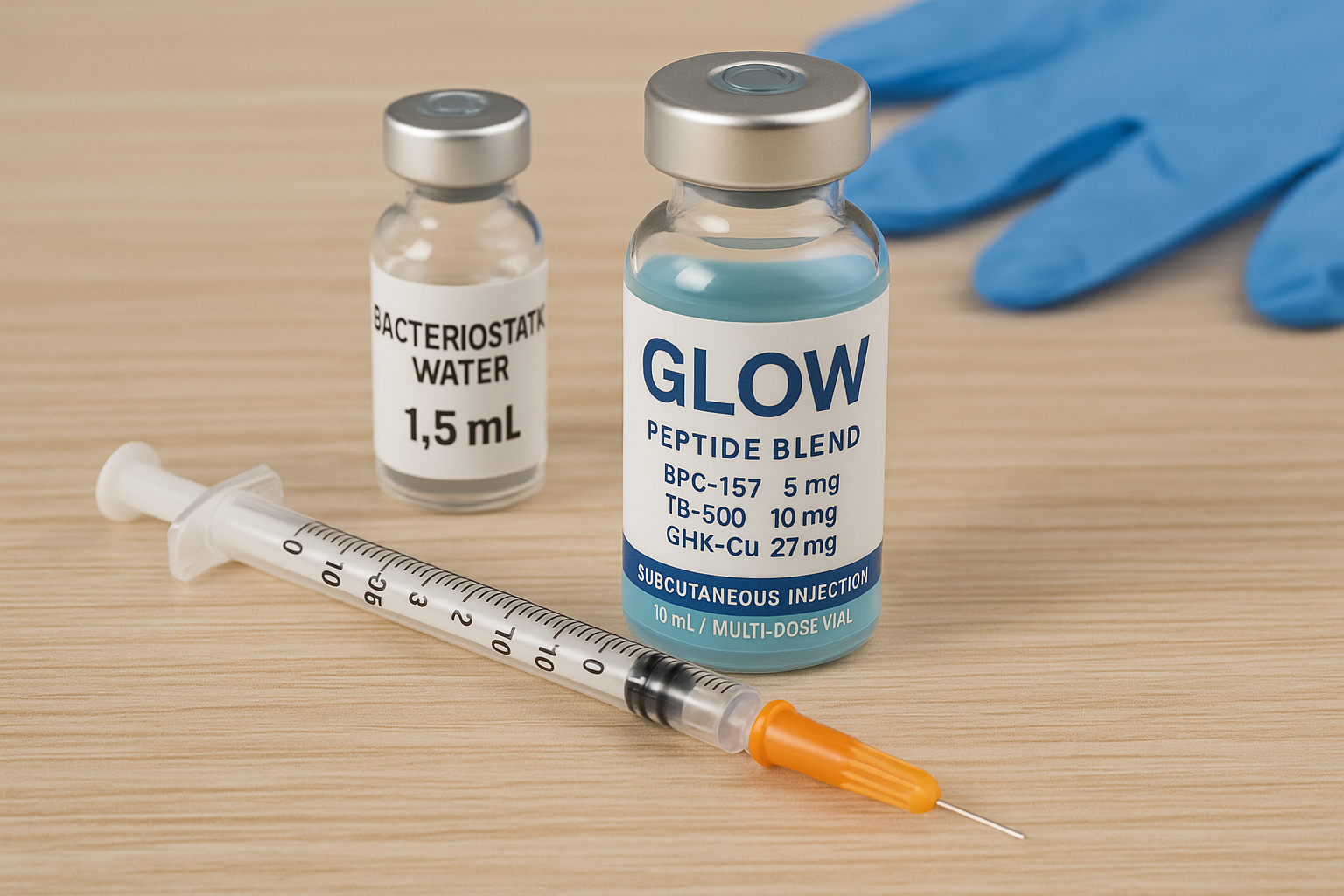
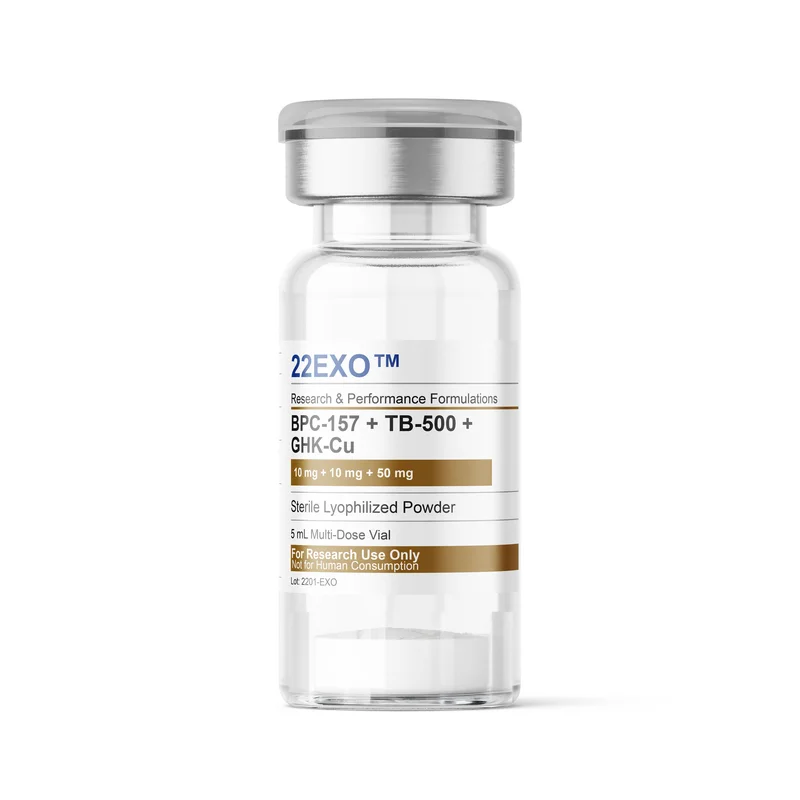
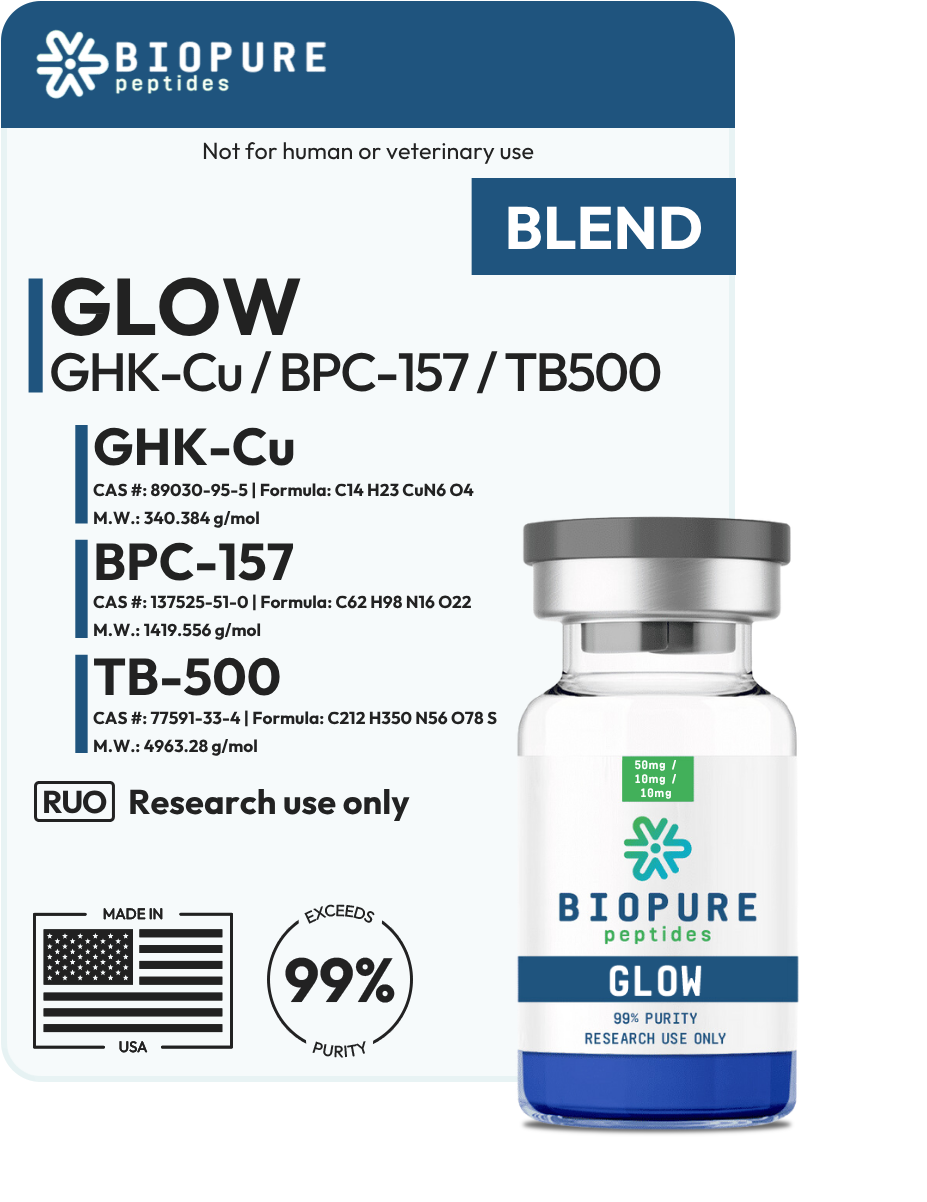
(All products supplied as lyophilised powders in sealed research vials.)