While the lens is presumably able to source vitamin C and/or DHA from vitreous humor (Figure 5), it is unknown whether SVCT2 and GLUT1 are expressed at the posterior surface of the lens in order to facilitate this
Excessive intracellular levels of iron ions generate hydroxyl radicals through the Fenton reaction interacting with hydrogen peroxide, thus promoting the production of reactive oxygen species (ROS), which cause lipid peroxidation and are believed to be the primary driver of ferroptotic cell death (Su et al., 2019), and this peroxidative damage can be further exacerbated by reductions in the activity of glutathione peroxidase 4 (GPX4) and glutathione (GSH) together with enhanced malondialdehyde (MDA) activity (Conrad and Sato, 2012
Materials and Methods The scientific literature discussed in this review was collected by searching the database PubMed
During IS, tau protein decreases, generous free iron deposits, and then Fe 2+ releases electrons, producing excessive ROS
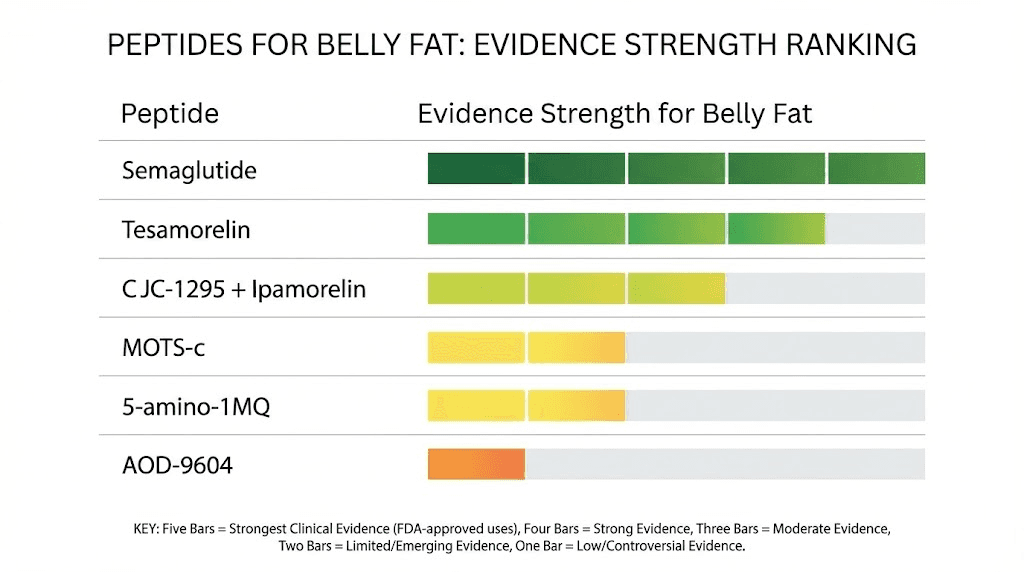
There is no FDA-approved indication, dose, or population