We first establish the foundation by exploring the bioengineering of the glucoraphanin supply chain
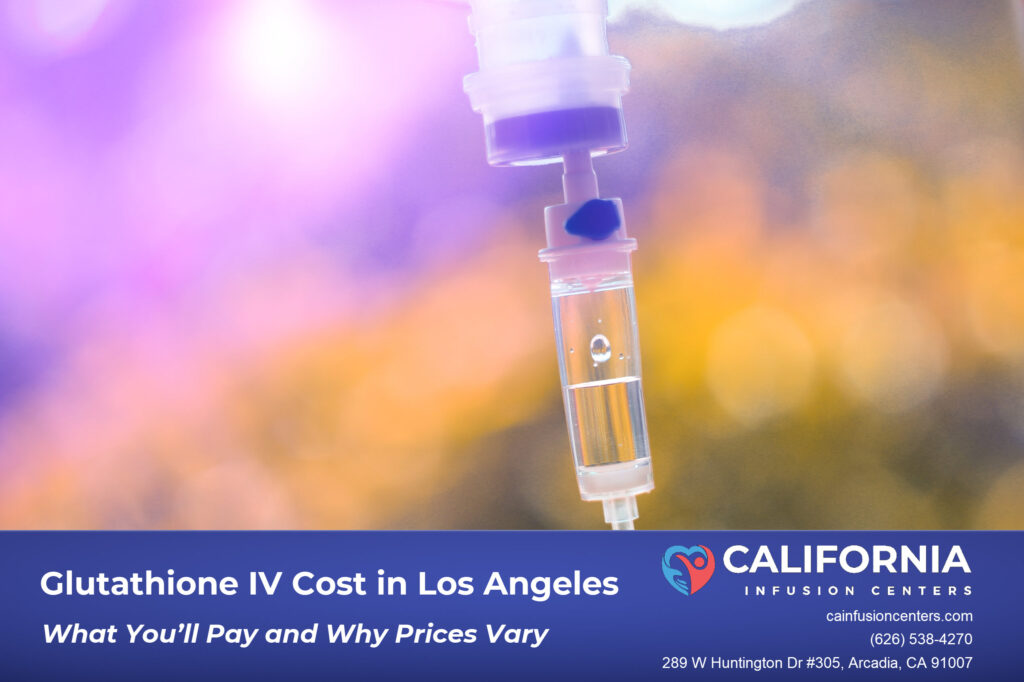
IV infusion therapy may be considered where oral supplementation is: Ineffective due to absorption issues Poorly tolerated Too slow for clinical needs It may be appropriate for patients experiencing: Persistent fatigue Recurrent infections Nutritional deficiencies Post-viral or post-illness recovery Increased physiological stress IV therapy is always used as an adjunct, not a replacement for lifestyle, nutrition, or medical treatment
Primary and key secondary results from the ROCKET AF trial, and their implications on clinical practice
[DOI] [PubMed] [Google Scholar] 11.Doessing S., Heinemeier K.M., Holm L., Mackey A.L., Schjerling P., Rennie M., Smith K., Reitelseder S., Kappelgaard A.M., Rasmussen M.H., et al
Habre and colleagues demonstrated that high oxygen supplementation upregulated plasma ET-1 levels in mice exposed to high oxygen relative to room air cohorts, and established tezosantan, a non-selective dual ET A and ET B receptor antagonist, as a potential pharmaceutical intervention to ameliorate ET-1 expression and decrease pulmonary dysfunction